Auremin operates in markets where infrastructure, commerce, and community are deeply interconnected.
The projects we develop and the commodities we supply touch directly on the conditions of the places we work. We take the responsibilities that come with that seriously - building businesses that create measurable environmental and social value, held to the standards our institutional partners expect.
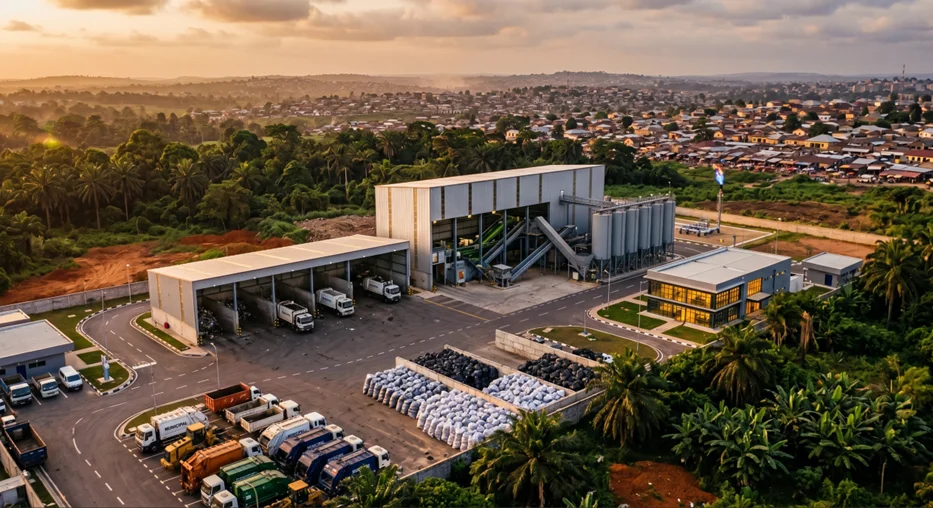
Our active portfolio is anchored in projects that reduce environmental harm while producing commercial returns. We develop integrated waste-to-fuel infrastructure that diverts municipal waste from landfills and converts it into a usable industrial fuel, reducing dependence on imported coal and heavy fuel oil. We capture methane from existing landfill sites and convert it into grid-connected electricity, reducing emissions while supplying reliable power. We develop battery recycling and tyre pyrolysis infrastructure to address environmental and public health risks from informal waste streams. And we build clean water and wastewater treatment infrastructure where existing services are inadequate.
These are not offsets or ESG claims. They are core commercial projects, structured to deliver measurable environmental outcomes alongside financial returns.
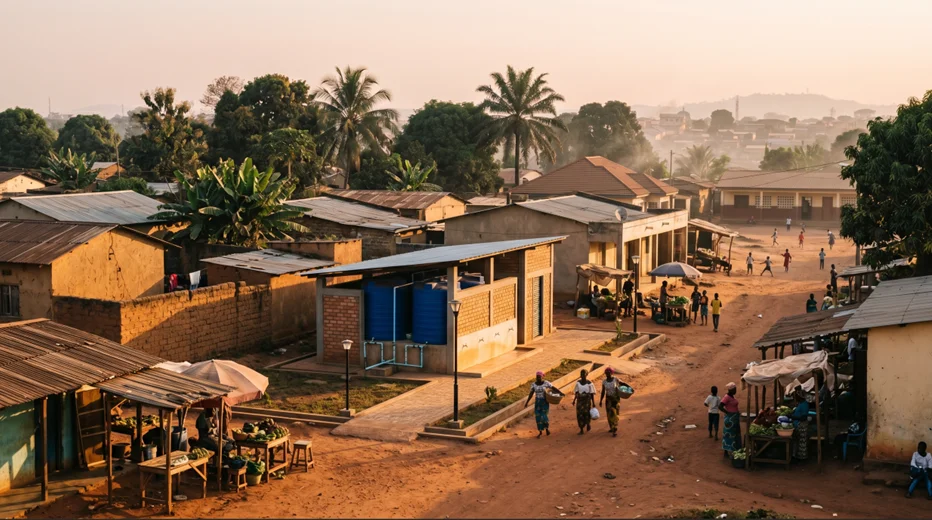
The communities where Auremin operates are the primary beneficiaries of the infrastructure we build. A waste-to-fuel facility improves air quality and sanitation in the urban districts it serves. A battery recycling plant removes lead contamination that disproportionately harms children. A clean water facility reduces waterborne disease. A power generation asset enables businesses, schools, and hospitals to operate reliably.
Within our own organisation, we build teams anchored in the markets where we operate. Our in-country leadership is Congolese, our operational presence is local, and our hiring and development practices are structured to build durable capability in the regions we serve - not to import short-term expatriate labour.

Auremin operates to institutional standards of governance, regulatory compliance, and responsible sourcing. Our compliance framework covers Know Your Counterparty, Anti-Bribery and Corruption, Sanctions, Anti-Money Laundering, Responsible Sourcing aligned with the OECD Due Diligence Guidance for Responsible Supply Chains of Minerals from Conflict-Affected and High-Risk Areas, and Health, Safety and Environment.
Our governance is anchored by a senior leadership team combining international trading and project development experience with deep in-country presence. We work alongside governments, state-owned enterprises, development finance institutions, and institutional capital partners - all of which operate to institutional standards of diligence and expect the same from us.
A full description of our compliance framework is available on our Ethics and Compliance page.
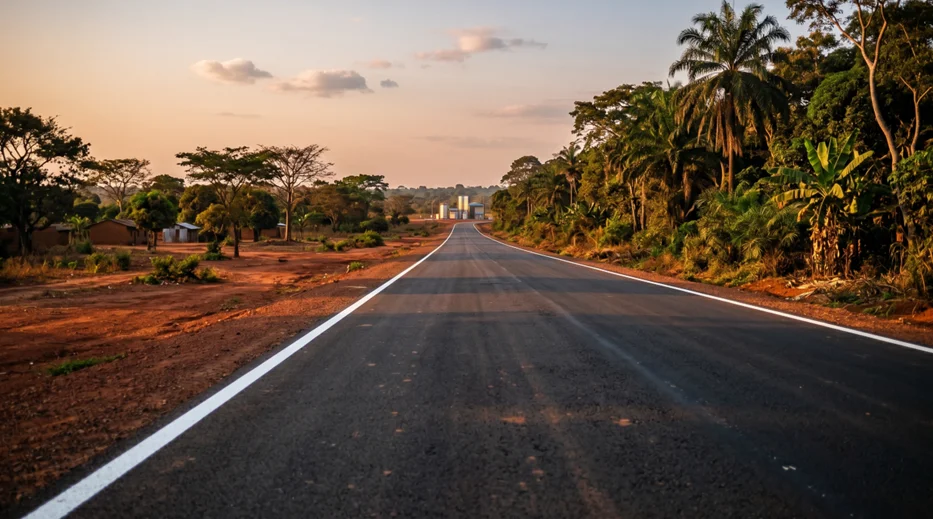
We do not treat sustainability as a separate workstream. It is built into how we select projects, structure investments, and operate in the field. A project that damages the environment, harms the community it is meant to serve, or fails governance scrutiny is not a good project - and we do not pursue it.
As our portfolio matures, we expect to report increasingly on measurable outcomes: tonnes of waste diverted, emissions avoided, people served by new infrastructure, local jobs created. These are the metrics by which the work we do should be judged.

